

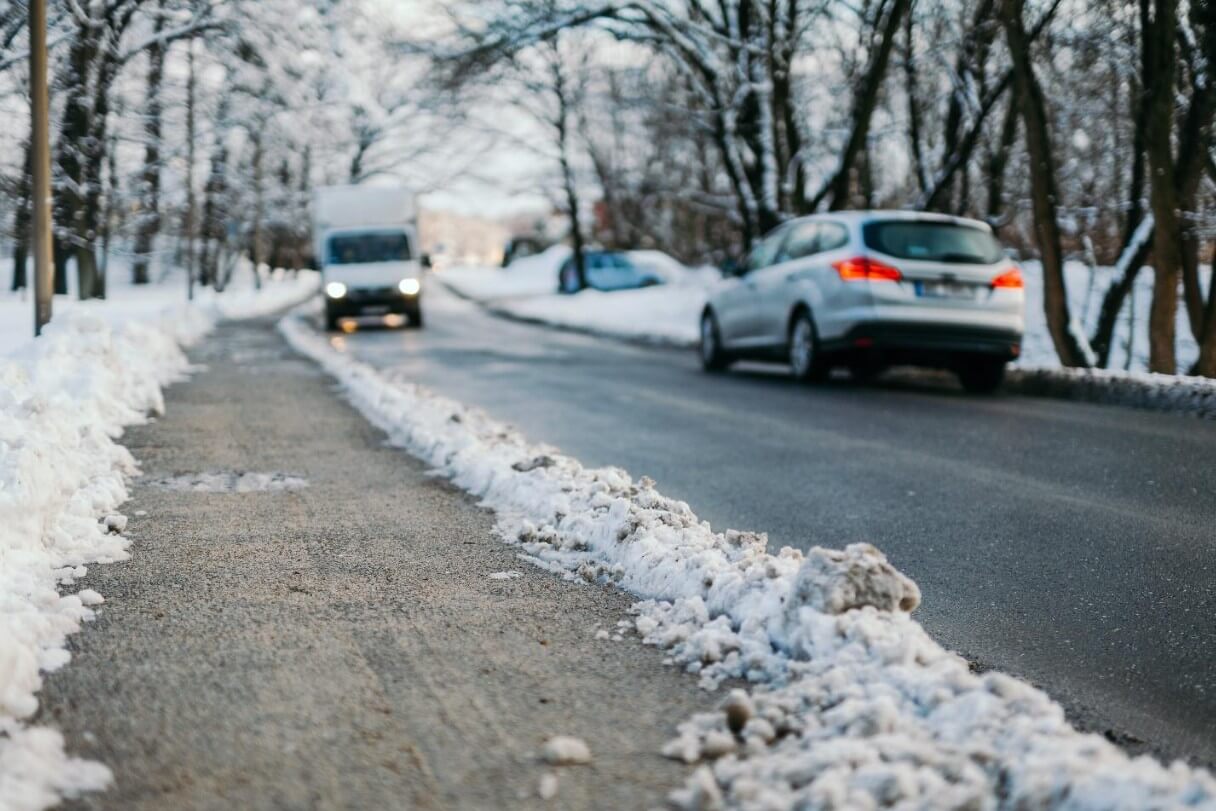
Winter weather creates a host of challenges for anyone traveling on the road, whether behind the wheel or on foot. Snow, ice, and reduced daylight all contribute to unpredictable conditions that increase the likelihood of accidents. Understanding how winter hazards affect both safety and legal responsibility is an important step toward staying protected throughout the season.
How Winter Weather Increases Roadway Risks
Cold-weather conditions significantly impact driving safety. The Federal Highway Administration reports that roughly one-quarter of weather-related accidents occur on icy, snowy, or slushy roads. An additional portion happens during active snowfall. These conditions make traction unreliable, reduce visibility, and limit a driver’s ability to stop or maneuver safely. Collisions that occur in these environments are often more serious due to slower emergency response times and diminished vehicle control.
Black ice remains one of the biggest hazards. This thin, transparent layer of ice can form overnight or early in the morning, blending seamlessly with the road surface. Even seasoned drivers can lose control instantly when encountering black ice at typical driving speeds. Across the United States, icy pavement is responsible for more than 150,000 accidents and contributes to over 550 fatalities each year.
Shorter days add another layer of danger. In many areas, darkness falls before people finish their work or school day. Limited visibility makes it more difficult for drivers to spot pedestrians, particularly when walkways are obstructed by snow or when walkers wear dark clothing. Nearly 80% of pedestrian fatalities happen at night, and winter conditions amplify this risk.
Frequent Winter Mistakes Drivers Make
Many winter crashes can be prevented, but avoidable errors often play a role. One of the most common issues is failing to remove snow and ice from the entire vehicle. Snow left on the roof can slide down onto the windshield or become airborne and strike another driver. Some states—including Pennsylvania and New Jersey—have laws requiring drivers to completely clear their vehicles before traveling.
Other hazardous habits include driving above safe speeds for current conditions, tailgating, and neglecting to turn on headlights in low-light or snowy environments. Abrupt braking or sudden turns can quickly lead to skidding on untreated roads and may create chain-reaction crashes involving multiple vehicles.
Additional Hazards on Rural Roads and High-Traffic Truck Routes
Rural drivers often face tougher winter circumstances. These areas tend to receive less frequent plowing and treatment, and their roads may remain slick for longer periods. Bridges and overpasses freeze faster than other surfaces, while minimal lighting and fewer traffic controls make obstacles harder to identify. Should an accident occur, longer response times can intensify injuries or damages.
Commercial trucks face even steeper challenges. Large vehicles require a much longer stopping distance, and icy surfaces make safe braking difficult. Jackknife incidents—where a truck’s trailer swings out and blocks traffic—can occur within moments and are capable of causing large, multi-vehicle pileups. The Federal Highway Administration notes that more than 1,800 people lose their lives each year in crashes on icy or snowy pavement, with many accidents involving commercial trucks.
One of the most tragic examples occurred during the 2021 Fort Worth pileup, when icy roads led to a devastating crash involving 130 vehicles, resulting in multiple deaths and dozens of injuries. Incidents like these demonstrate just how quickly winter road conditions can turn dangerous.Why Distraction and Poor Visibility Are Especially Dangerous
When winter weather reduces visibility, even a brief lapse in attention can lead to serious consequences. Drivers may be adjusting defrost settings, scraping fog from windows, or checking navigation devices. At the same time, pedestrians might be juggling heavy winter clothing, carrying bags, or concentrating on avoiding icy patches.
Young children walking to school in the early morning darkness can be difficult to see, particularly if they’re not wearing reflective gear. Older adults may also struggle with icy walkways, limited balance, and slower movement. These challenges make both groups more vulnerable to accidents during the colder months.
Safety Tips for Drivers During Winter Weather
There are several ways drivers can lower their risk on winter roads:
- Clear all snow and ice from your vehicle, including the roof, windows, mirrors, and headlights.
- Reduce speed and increase following distance to allow more reaction time.
- Brake gently to avoid sliding or losing control.
- Carry an emergency kit with essentials like a scraper, blanket, flashlight, and sand or kitty litter for traction.
How Pedestrians Can Improve Their Safety
Pedestrians also play an important part in preventing winter accidents. Wearing reflective or bright colors increases visibility to drivers, especially at night. Using designated crosswalks and avoiding the roadway—even when sidewalks are blocked—helps reduce risk. Staying alert, particularly when crossing streets, is essential when visibility is low or vehicles may slide unexpectedly.
Seeking Legal Guidance After a Winter Accident
Even with careful preparation, winter crashes still occur. These incidents often involve complex considerations, especially when injuries are involved. If you or someone you care about is hurt in a winter-related accident—whether as a pedestrian or driver—it may be important to consult with a personal injury attorney. Legal professionals can assist with navigating insurance claims, evaluating damages, and seeking compensation for medical bills, lost wages, and pain and suffering.
Don’t hesitate to get help. Contact our firm to learn more about your rights and explore your legal options following a winter accident.
This is only intended to be information and does not constitute legal advice, nor does it create any attorney-client relationship with the firm.