

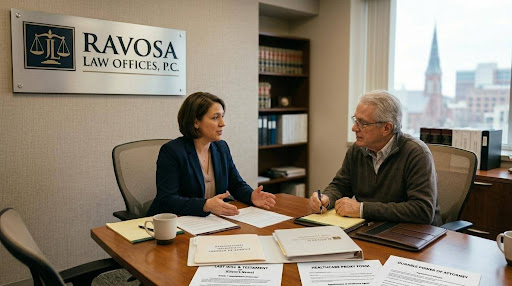
Estate planning is more than assembling legal documents. It requires selecting reliable individuals to carry out your instructions when you cannot. These roles ensure your plan functions as intended, reducing confusion, delays, and emotional stress for your loved ones. When you understand each responsibility and choose people you trust, your estate plan becomes stronger, clearer, and more practical.
This guide outlines the key roles that support a well-structured estate plan and explains why choosing the right individuals is just as important as the documents themselves.
Why the Right People Strengthen Your Estate Plan
The effectiveness of an estate plan depends not only on wills, trusts, and directives but also on the people appointed to act on your behalf. Even the most carefully drafted documents can fall short if the individuals involved do not understand their duties or are unable to serve when needed.
Each designated role carries specific legal authority and practical responsibilities. These individuals make critical decisions such as managing financial matters, approving medical care, and distributing property. Selecting dependable people ensures your instructions are honored efficiently and with minimal disruption.
Failing to update or name key roles can lead to court involvement, extra expenses, and unnecessary stress for your family. Thoughtful selection is essential to building a comprehensive plan that works in real-life situations.
Successor Trustee: Maintaining Trust Operations
A successor trustee steps in when the original trustee is no longer able to serve due to incapacity, resignation, or death. This role ensures that the administration of the trust continues without interruption.
Common responsibilities include overseeing investments, managing trust assets, and distributing funds according to the terms of the trust. Successor trustees must follow all fiduciary and legal requirements while acting in the best interests of the beneficiaries.
Choosing someone organized, financially capable, and trustworthy can help prevent mismanagement or delays. An effective trustee supports the smooth operation of the trust and protects its value for future beneficiaries.
Health Care Agent: Upholding Your Medical Preferences
A health care agent, also known as a medical power of attorney, is responsible for making medical decisions if you cannot communicate your wishes. This role is especially important during emergencies when quick, informed decisions may be needed.
Selecting someone who understands your values ensures your preferences guide your medical treatment. Without this designation, loved ones may face confusion, hesitation, or conflict when determining the best course of action.
Discussing your expectations with your chosen agent in advance helps them act confidently and faithfully on your behalf.
Executor and Backup Executor: Handling Estate Administration
An executor manages the administration of your estate after you pass away. Duties include resolving debts, filing legal documents, and distributing assets outlined in your will.
It is equally important to name a backup executor. Circumstances change, and your primary choice may be unable or unwilling to serve when the time comes.
If no alternative is named, the court may need to appoint someone, which can lead to increased costs and unnecessary delays. Having both a primary and secondary executor promotes a smoother and more efficient administration process.
Financial Power of Attorney: Safeguarding Financial Management
A financial power of attorney authorizes someone to handle financial responsibilities if you become incapacitated. This ensures your financial affairs continue without disruption.
The appointed individual may manage tasks such as paying bills, handling investments, managing business interests, or overseeing real estate matters. Because these responsibilities often require timely action, choosing a dependable and financially knowledgeable person is essential.
Without this designation, your family may need to seek court approval to act on your behalf, a process that can be costly and time-consuming. Establishing a financial power of attorney prevents unnecessary complications and supports financial stability.
Guardian for Minor Children: Securing Long-Term Care
For parents, naming a guardian for minor children is one of the most significant estate planning decisions. This role determines who will care for your children if you cannot.
If no guardian is identified, the court will decide based on its assessment of the child’s best interests, which may not align with your wishes.
Selecting a guardian requires more than listing a name in a document. Having thoughtful conversations with the person you choose ensures they are prepared and willing to assume the responsibilities. Discussing values, expectations, and long-term care needs can help provide stability and support for your children during a difficult transition.
Keeping Your Estate Plan Updated
Estate planning is an ongoing process. Changes in relationships, finances, or personal priorities may affect whether your chosen individuals remain the best fit for their roles.
Regular reviews help identify outdated designations or gaps that need attention. Ensuring each role is clearly assigned to someone capable and prepared helps reduce future complications.
A well-maintained estate plan involves not only documents but also the right people in the right positions. If you need guidance choosing trusted individuals or updating your plan, Ravosa Law Offices, P.C. can help you build a plan that brings clarity and peace of mind.
This is only intended to be information and does not constitute legal advice, nor does it create any attorney-client relationship with the firm. For guidance specific to your circumstances, please contact Ravosa Law Offices, P.C.